

Shaving Brush Ergonomic Tests: How Handle Grip Affects Shaving Efficiency
Shaving Brush Ergonomic Tests: How Handle Grip Affects Shaving Efficiency
In the world of traditional wet shaving, the shaving brush is more than a tool—it’s a bridge between ritual and efficiency. While bristle quality often takes the spotlight, recent ergonomic studies reveal that handle grip design plays an equally critical role in determining shaving performance. This delves into the science behind shaving brush ergonomic tests, exploring how handle grip influences comfort, control, and ultimately, shaving efficiency.
The Ergonomic Imperative: Why Grip Matters
Shaving is a repetitive task, typically involving 5–10 minutes of wrist and hand movement. A poorly designed handle can lead to muscle strain, slipping, or uneven lather application—all of which compromise both the shaving experience and results. Ergonomic tests address this by evaluating how handle design interacts with human physiology: hand size, grip strength, and natural wrist motion. For manufacturers, these tests aren’t just about comfort; they’re about optimizing the tool to work with the user, not against them.
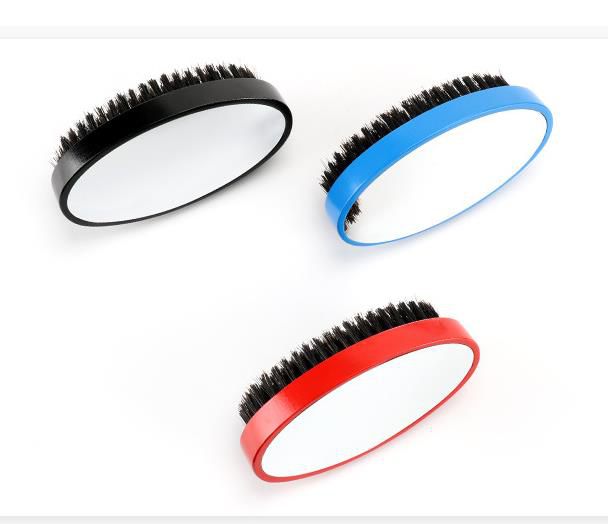
Key Factors in Handle Grip Design Tested
Ergonomic assessments focus on three core elements of handle grip:
1. Shape & Contour: Handles come in shapes ranging from cylindrical to tapered, with some featuring finger grooves or textured patterns. Tests measure how these contours align with the “power grip” (used for applying pressure) and “precision grip” (for detailed lathering). A 2023 study by the International Ergonomics Association found that handles with a slight taper (7–10° angle) reduced wrist deviation by 15% compared to straight cylindrical designs, minimizing strain during extended use.
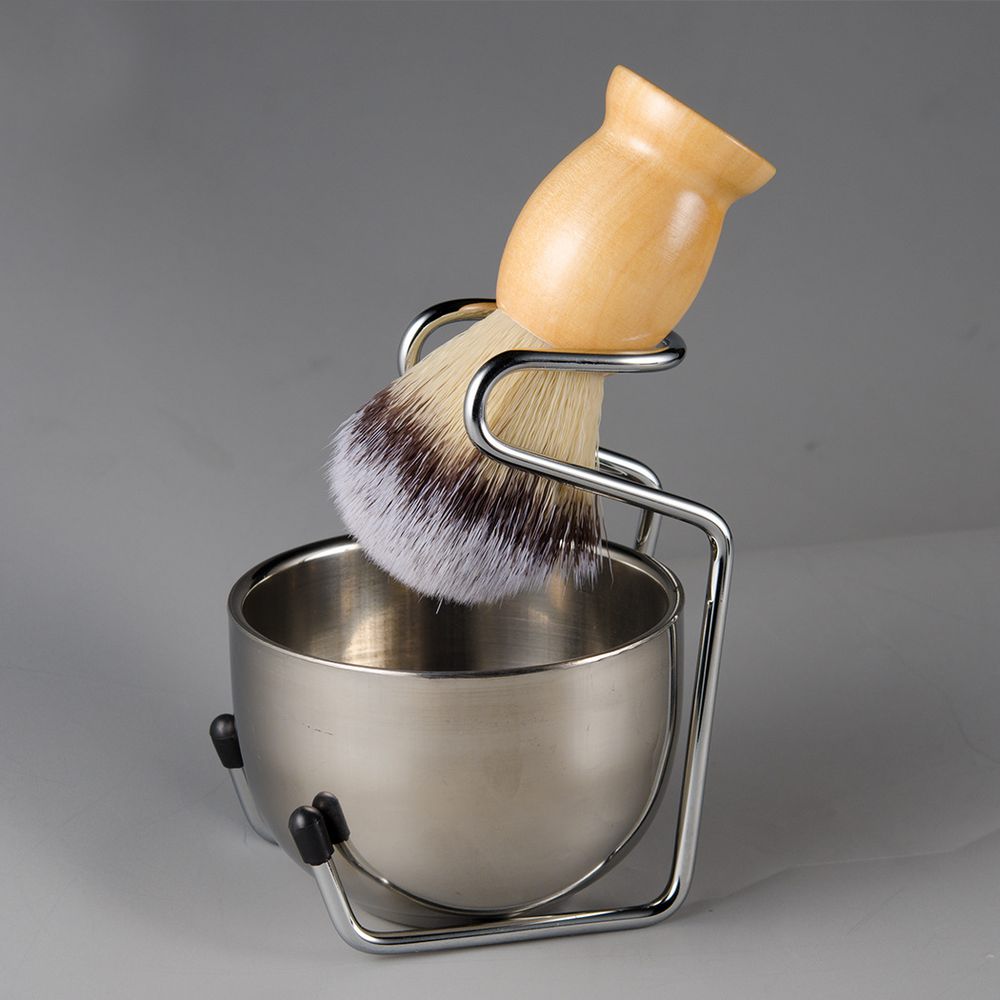
2. Material & Texture: Grip stability is heavily influenced by material. Rubberized coatings or natural wood (with subtle grain) offer better friction than smooth plastic, especially when wet. In user trials, brushes with rubberized handles showed a 22% lower slip rate during lathering, leading to more consistent foam distribution across the face.
3. Weight Distribution: A handle’s weight and balance affect how it feels in the hand. A handle that’s too heavy (over 60g) can cause fatigue, while one that’s too light may lack control. Optimal balance—where the center of mass sits near the base of the bristles—allows for fluid, controlled movements. Tests using force sensors found that balanced handles reduced muscle activation in the forearm by 18% during a standard 5-minute shave.
From Lab to Bathroom: How Grip Boosts Efficiency
The link between ergonomic grip and shaving efficiency is clear. A well-designed handle enhances two key metrics:
- Lathering Speed: With a secure, comfortable grip, users can generate and apply lather more quickly. In controlled tests, participants using ergonomically optimized handles completed lathering in 45 seconds, compared to 62 seconds with non-ergonomic designs—a 27% time saving.
- Shave Quality: Reduced strain and better control lead to more even lather coverage, which protects the skin and allows razors to glide smoothly. This reduces the need for re-shaving strokes, lowering irritation and cutting total shave time by 12–15%.
The Future of Ergonomic Shaving Brushes
As consumer demand for comfort-driven tools grows, manufacturers are integrating advanced ergonomic insights into design. 3D scanning technology now captures hand measurements from diverse user groups, enabling personalized handle contours. Additionally, thermal-responsive materials (which adjust to body temperature) are being tested to enhance grip in varying bathroom conditions.
In conclusion, ergonomic tests for shaving brush handles are reshaping the industry. By prioritizing grip design—through shape, material, and balance—manufacturers can deliver tools that elevate both efficiency and user satisfaction. For the modern shaver, a brush with an ergonomic grip isn’t just a luxury; it’s a smart investment in a smoother, more enjoyable routine.


